Congaree National Park under scrutiny as Trump cuts jobs. Could park access be curtailed?
Things were peaceful at Congaree National Park last week as people strolled the trails and boardwalks that extend from the preserve’s visitors center.
But some of those drawn to the park for its tall trees and solitude were worried.
With budget cuts to the National Park Service underway, some visitors to Congaree questioned whether the South Carolina park’s staff would be slashed and the 27,000-acre preserve neglected. Others worried that the park’s hours could be cut back.
“This is one of the really cool pieces of nature we have here in South Carolina and in the Midlands,’’ 34-year-old Columbia resident Sam Schmoker said. “So, I’m pretty concerned about the cuts. We were unsure, as we were driving down today, if the park would even be open.’’
Schmoker and his wife, Katherine Tse, said cuts already affecting National Parks across the country have come too suddenly under President Donald Trump’s tenure. Both voted for Democrat Kamala Harris over Republican Trump.
“My guess is the management has a hard time knowing what its future is,’’ Schmoker said of the park service.
Nationally, Trump, with help from billionaire Elon Musk, has fired at least 1,000 Park Service workers as he seeks to reduce the federal work force, the New York Times reported. The abrupt firings have generated protests, either through social media postings or in person at national parks.
In one of the most visible displays, a group of people recently hung a huge upside down American flag – considered a sign of distress — on the side of El Capitan, the sheer rock face at California’s Yosemite National Park that is among the most visible features in the park system. The 30-foot by 50-foot flag was put there by frustrated Park Service workers who climbed down the side of El Capitan, which rises 3,000 feet high, according to the New York Times and The San Francisco Chronicle.
The National Park Service isn’t saying much about any cuts that might come to Congaree National Park and other service properties in South Carolina, such as Fort Sumter and the Cowpens battlefield, although it did issue a news release Thursday, saying it would be hiring seasonal workers nationally.
Congaree National Park has not posted on its Facebook or X social media pages since Feb. 13, the day before the firings of many national parks workers were announced. Those pages typically provide information about the park, including floods that periodically soak Congaree, as well as wildlife and historical events, such as Black History month.
Greg Hauburger, Congaree National Park’s superintendent, said he could not comment about reductions in staff or other cuts, referring questions to the agency’s national media relations team, which did not respond this week to questions from The State. Friends of Congaree Swamp, a park support group, was trying to determine the status of two seasonal workers whose contracts reportedly are in limbo.
Any reduction in staff at Congaree National Park would be small in comparison to the nation’s more well known parks, such as Yellowstone, the Wyoming and Montana park that covers 2.2 million acres and employs about 300 people full time, not including seasonal workers.
Congaree National Park, renowned for its towering trees and swampy floodplain, has about 15 full-time staff members. Still, because the staff is so limited, any reduction in force could be felt.
Among other duties, park workers maintain the network of trails and boardwalks, provide information to the public, clean restrooms and empty trash, and participate in search and rescue operations. Park workers also oversee efforts to get rid of wild pigs that, if left on their own, could destroy many important plants.
Already, some national parks with reduced staffing have either scaled back services or they have been too overwhelmed to handle all of the visitors, according to national media reports. Among those were Carlsbad Caverns in New Mexico, Grand Canyon in Arizona and Florissant Fossil Beds in Colorado, the Times reported. In the Florissant case, the park said it would now be closed on Mondays and Tuesdays, according to the Times.
Saguaro National Park, known for its extensive cactus forests, has closed two visitors centers, Yahoo New reported.
Reductions like that are a concern to John Grego, who heads Friends of Congaree Swamp.
Grego said losing any staff at Congaree would be particularly notable because the national park’s busiest season is just around the corner.
People visit the park most in the spring, before temperatures rise to near triple digits on summer days. The busiest single months of 2024 were March and May, when more than 33,000 visitors descended on Congaree, he said. Overall, more than 200,000 people visit Congaree National Park every year.
One of the most popular spring attractions is the annual synchronous fireflies phenomenon in May, in which lightning bugs wink on and off in unison. That happening has become so popular that the park has had to institute a lottery system and charge visitors for the right to see the spectacle. A combination of park workers and volunteers help manage the park when fireflies put on their show in the evening.
If budget cuts result in fewer employees, Grego said he’s concerned that park hours at Congaree could be scaled back. The park is open daily year round and features overnight camping.
“Opportunities to visit the park could be limited,’’ Grego said. “We’ve seen that in some parks already.’’
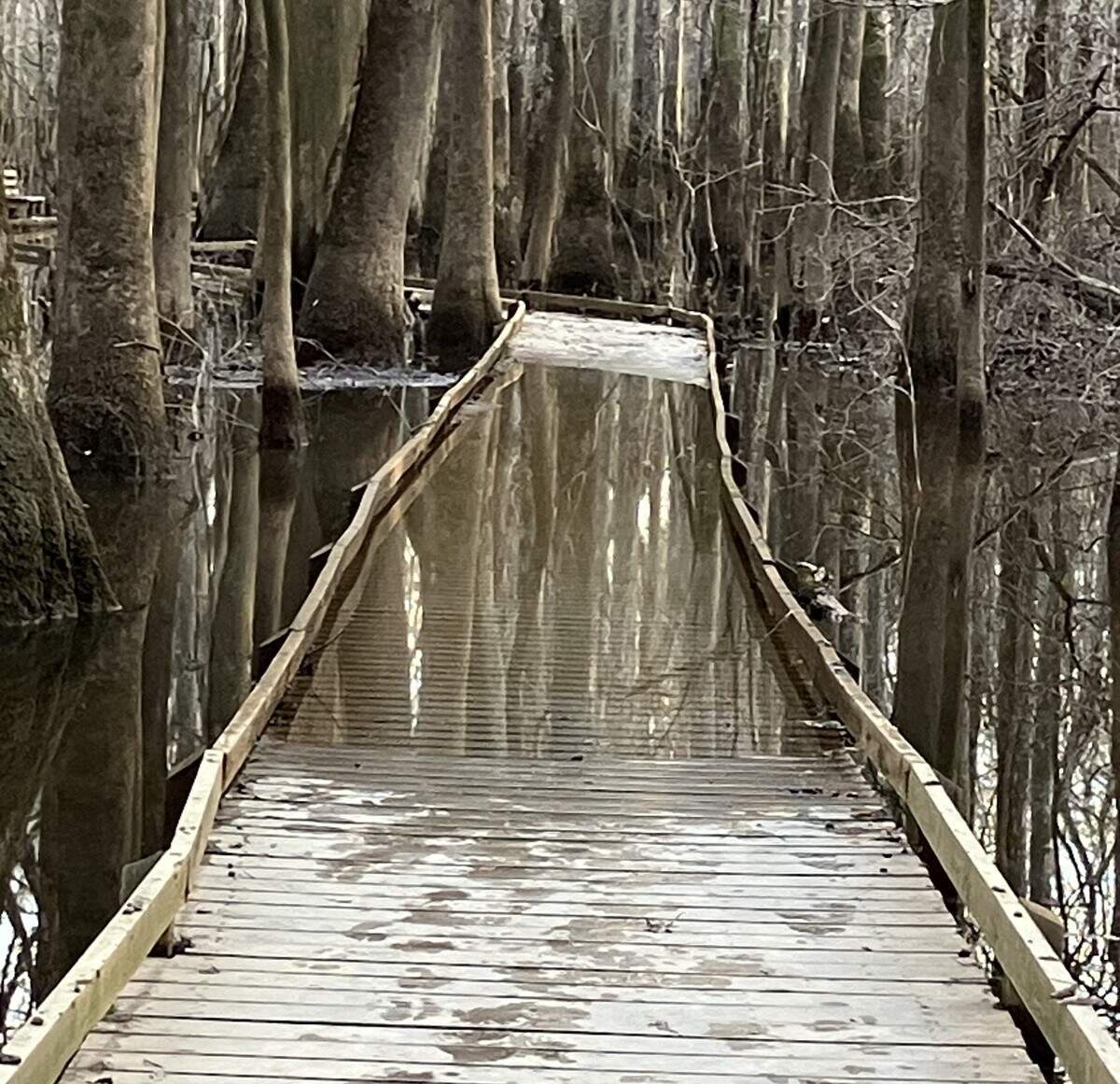
One of the major efforts underway at Congaree National Park is repair work on the preserve’s network of boardwalks. A contractor began work in early January to tear out and rebuild key sections of the boardwalk that many visitors traverse to see the wetlands and tall trees of Congaree.
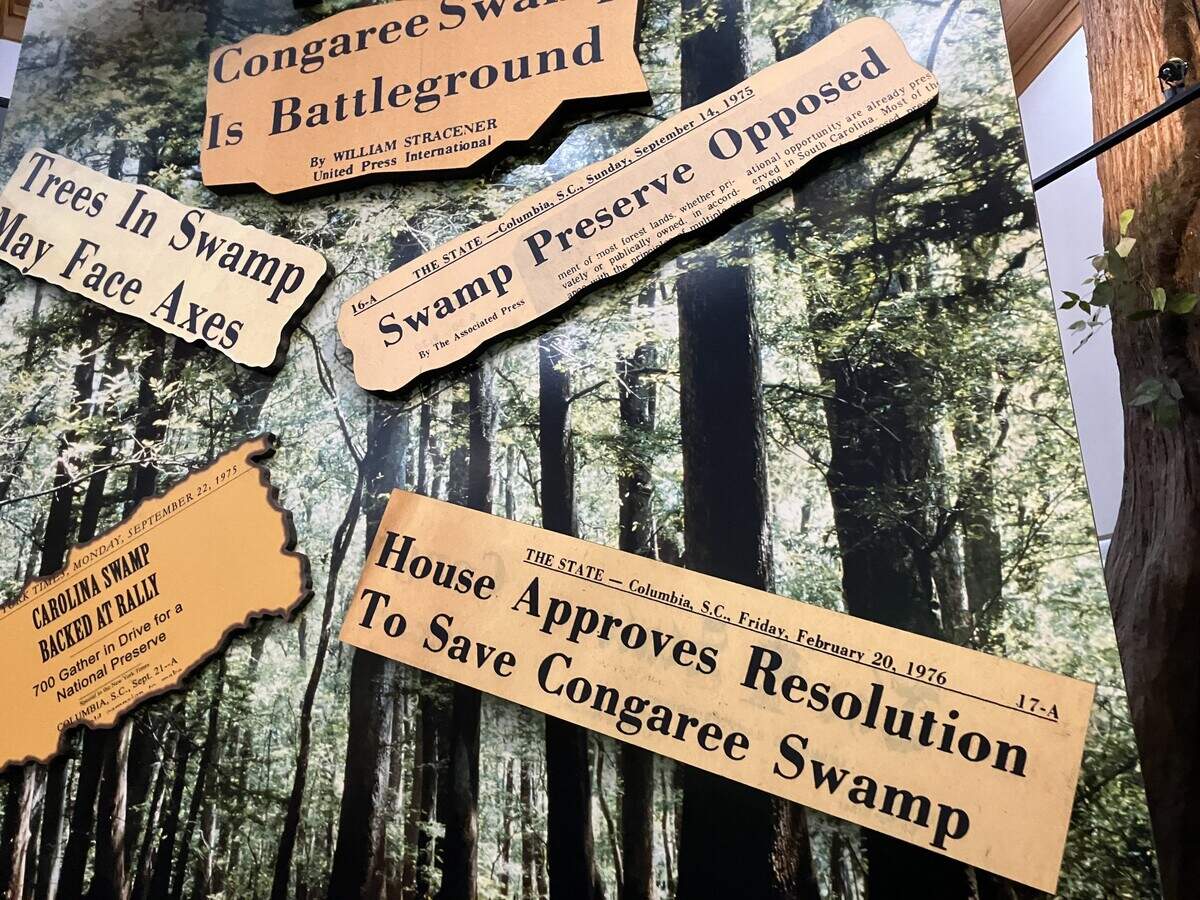
Congaree is South Carolina’s only national park, a less-known preserve that was saved through the efforts of conservationists and elevated to park status through the work of the late Sen. Fritz Hollings, a Democrat from Charleston. Protected in 1976 as Congaree Swamp National Monument, the preserve became a national park in 2003.
Some of the tallest trees in the state and nation are found there, as well as marshy lowlands that attract an array of wildlife, including woodpeckers, bobcats, owls, deer and butterflies. Black bears have been been spotted at the park. The famed Ivory Billed Woodpecker, for years thought to be extinct, once reportedly called the Congaree swamp home. The land had been targeted for timbering until environmentalists pushed in the 1970s to protect the area.
While it was unknown if funding for repairing the boardwalk or maintaining employees to oversee the park are in jeopardy, visitor Jake Mansfield said the budget cutting is a worry.
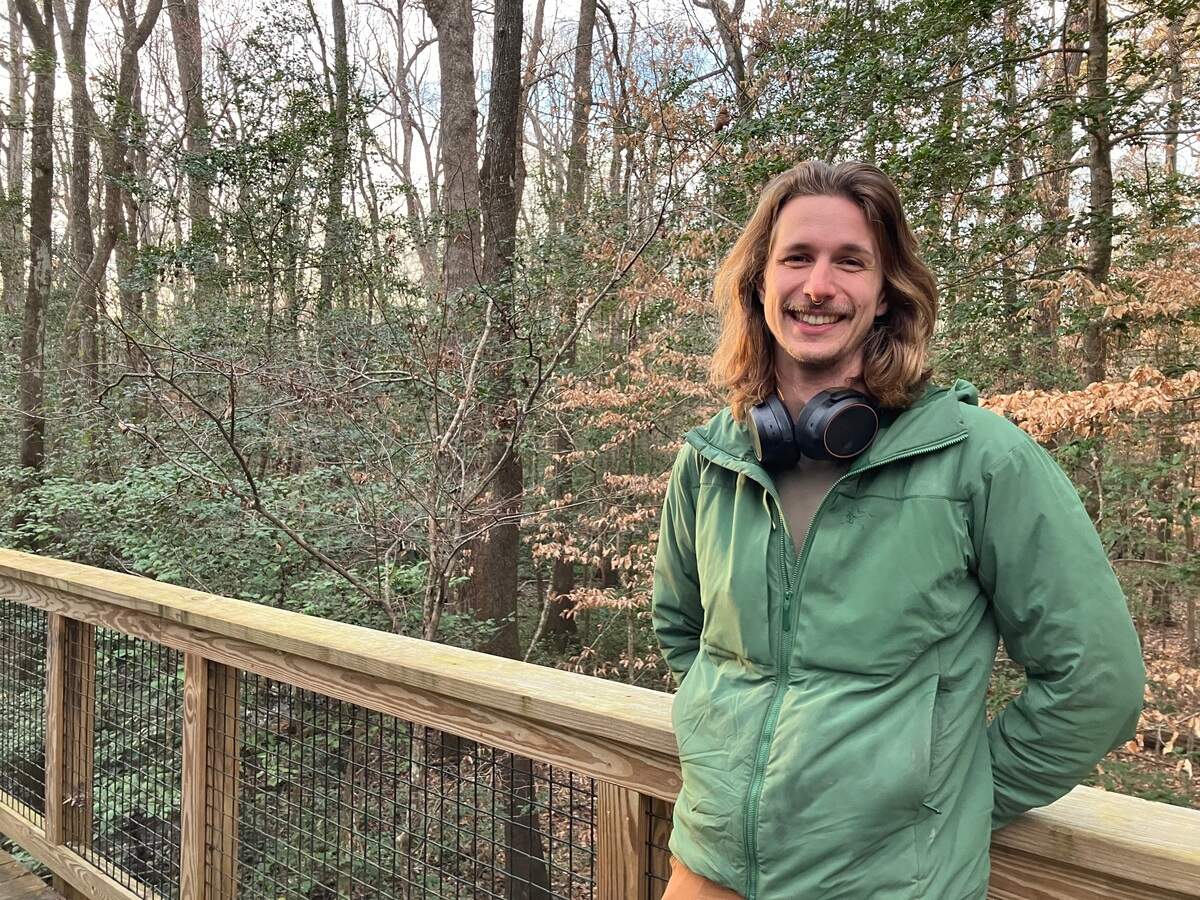
Mansfield, a 27-year-old West Virginia resident, was visiting Congaree last week during a break from his job working in the telecommunications industry. His trip to Congaree brought to 34 the number of national parks he has visited. He said such parks are peaceful and provide recreational opportunities that he takes advantage of.
“Without the right staff and without the right resources to manage these areas, they’re going to be in trouble,’’ Mansfield said as he leaned against the Congaree National Park boardwalk. “I’m definitely worried about that.’’
National parks need staff to keep them clean and to enforce rules designed to protect them, he said. Mansfield, who voted for Harris for president, said the Trump administration cost- cutting efforts “seem to be more than just bluster. People are losing real jobs, qualified positions. But they didn’t do anything wrong.’’
Not everyone visiting Congaree was worried, however.
Mike and Elizabeth Orosz, former Columbia residents who now live in Tennessee, said they have confidence the Trump administration won’t cut the jobs of people who are necessary and do good work.
Both said they love Congaree National Park and have visited for years. It’s peaceful and scenic, said the Oroszs, who voted for Trump.
Mike Orosz, 78, recalled how he and his wife grew up under communism in Hungary, where they are originally from. The United States is a much freer place and it will take care of important spots like Congaree National Park with the proper staff, they said.
“I don’t think key people will be let go,’’ Mike Orosz said. “People who don’t work are let go and sometimes they deserve it. But all the park rangers we run into across the country are very nice, very hardworking. So I imagine they will still be there.’’
One recent report indicated that the Trump administration had approved employment for more than 7,000 seasonal employees, despite cuts to permanent workers. Another 50 jobs nationally also have been restored, the Associated Press reported.
The Park Service addressed the issue Thursday with a national news release saying seasonal workers would be used in 2025.
“The National Park Service is hiring seasonal workers to continue enhancing the visitor experience as we embrace new opportunities for optimization and innovation in workforce management,’’ the news release said. “We are focused on ensuring that every visitor has the chance to explore and connect with the incredible, iconic spaces of our national parks.
Those worried about Congaree and other national parks are hoping for the best. But they remain uneasy..
“I was concerned about this last year, but it’s still a shock at how quickly and drastic some of these cuts are impacting our communities,’’ Schmoker said.
This story has been updated with a statement from the National Park Service.
This story was originally published February 25, 2025 at 2:55 PM.