
High-inducing hemp products are legal in SC for now. How long will it last?
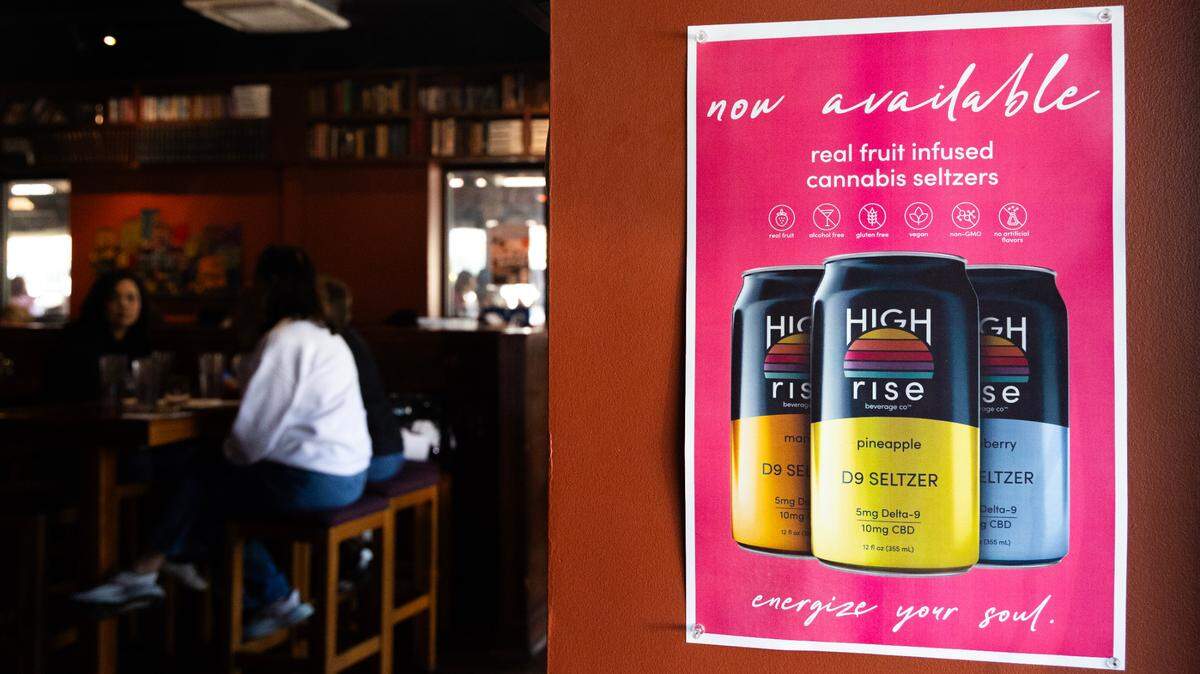
Adults can get high in South Carolina from a can of intoxicating seltzer with hemp-based THC inside. The colorful cans are sold in gas stations and restaurants, and some may be more intoxicating than their label indicates.
Plus, a child can buy and drink the cannabis beverage under current state law.
Combine no age restrictions, fears of intoxicated drivers, zero testing requirements and sometimes inaccurate or misleading labels on these edible products available in corner and grocery stores all over the state. It’s a situation propelling state and federal lawmakers into action.
A federal bill legalized hemp in 2018, creating an industry of intoxicating consumables with THC, the chemical compound found in marijuana. There are currently no state regulations on the products, so they can be sold to anyone, anywhere.
South Carolina lawmakers want to change that next year. But it is unclear whether the General Assembly will put guardrails on the products or ban them altogether.
For Pierce Wylie, CEO of THC beverage company Rebel Rabbit, a ban at the state or federal level would be “devastating” for his business.
“Here we are, eight years later, trying to air quote, close the loophole, and it is just decimating an entire industry,” Wylie said.
Based in Greenville, Rebel Rabbit sells intoxicating THC seltzers. Wylie also co-owns Upstate Beverage Consultants, a co-packing facility for non-alcoholic beverages, including other THC drinks. He co-founded Rebel Rabbit in 2021 with Billy Goldsmith, who Wylie described as “Cali-sober,” to give consumers alternatives to alcohol.
In the past two years, demand for the buzzy seltzers took off, Wylie said. But regulation for the growing industry did not. Industry groups and many cannabis businesses want some rules on their products, like restricting children from accessing intoxicating hemp or instating testing requirements.
“We know that it needs to be regulated,” Wylie said “There’s no opposition on that. In fact, we’re begging for regulation.” Wylie said Rebel Rabbit tests its products and doesn’t sell to people under 21.
A state Senate committee is weighing an age restriction bill on hemp consumables, but state Sen. Michael Johnson, R-York, expects the General Assembly will go further this year to regulate it. An all-out ban of hemp edibles and beverages may also be on the table, he said.
“I think you have to assume that one, we could ban, but if we don’t ban, how are we going to regulate it appropriately?” Johnson, who is leading the committee, told reporters. “And so if one doesn’t happen, then the other has to happen. What we can’t do is continue the way we’re going.”
Congress also passed a rule that would severely restrict hemp consumables. The federal deal to end the government shutdown included a provision banning products with more than 0.4 milligrams in the total package. It’s effectively a ban, Wylie said.
Cannabis in South Carolina?
The 2018 Farm Bill legalized production of hemp nationwide, as long as the plant contained no more than 0.3% delta-9 tetrahydrocannabinol of its dry weight. That’s the chemical compound in marijuana that gives consumers a high.
Hemp and marijuana are both cannabis plants with naturally occurring THC. Marijuana is illegal in South Carolina.
In the absence of other federal or state laws, intoxicating edibles and beverages are legal in South Carolina, as long as it followed the 0.3% dry weight requirement. Attorney General Alan Wilson agreed these products are currently legal on a case-by-case basis in an opinion last year.
In 2018, businesses began selling intoxicating hemp products. Wylie say demand for their products has accelerated in the past two years. More colorful THC seltzer cans showed up on grocery and convenience store shelves and on restaurant menus. A hemp business in Charleston opened a dry bar selling THC cocktails and drinks. Tyler Murray, CEO of Lowcountry THC edible company Carolina Dreams, says his gummies are sold in yoga studios, chiropractors offices and even pet shops.
Retail hemp products have grown into a $28 billion industry, according to cannabis research group Whitney Economics.
“When it was crystal clear on a federal level, this stuff is not considered marijuana, that’s when you began to see more delta-9 products and delta-8 products,” said Phil Dixon, an associate professor of public law at the University of North Carolina Chapel Hill. “I would say it really started taking off in [20]19 or [20]20, but it’s really exploded in the past, two or three years.”
SC lawmakers look to regulate the industry
South Carolina does not have any regulations for intoxicating hemp products. There are no quality control or testing requirements. No packaging rules or potency caps. The products can legally be sold to children.
“We don’t have an age limit on the products,” in North Carolina, Dixon said. “That’s how unregulated it is. Much less any quality control assurances. I’ve been saying since 2018, it is truly the Wild West with these products.”
Some South Carolina lawmakers want to change that. A Senate subcommittee met Nov. 10 to discuss a bill instating age requirements for the intoxicating hemp consumables. They are scheduled to meet again Nov. 24. But Johnson said the General Assembly could go further with regulation next year, including banning the products all together.
“I think we would be remiss if all we did was sit here and talk about banning and not regulation,” Johnson said. “So I’m going to spend a lot of time talking about regulation, but if it’s the will of the Senate to ban it, man, I don’t have to get up and talk about it for very long.”
Hemp and cannabis legalization are not without public health consequences, said James Swartz, a professor at the University of Illinois Chicago’s Jane Addams College of Social Work. Swartz studies how Illinois’s legal cannabis industry impacts public health, including hemp. Pediatric poisoning, where kids accidentally consume cannabis products, has seen an uptick since Illinois legalized recreational marijuana, he said.
Currently, ingredient labels on hemp products are not always correct, and studies have shown solvents from processing are still in the final product, Swartz said.
South Carolina Law Enforcement Division Chief Mark Keel told lawmakers he wants the products banned rather than regulated due to his concerns with the safety of the products. He pointed to high-dose products and marketing aimed at children, which industry groups and business owners called bad actors.
“I have real concern about potentially legitimizing these products if this bill passes,” Keel told lawmakers Nov. 10. “But something must be done now to get these dangerous products out the hands of our young people.”
Banning hemp products would not eliminate an illicit market for them, Swartz said. Fewer people would likely use the intoxicating hemp products, but it would be impossible to ensure the safety of, or collect tax revenue from, residents that circumvent the law, he said.
“All the benefits of restrictions would be there in terms of fewer people using, fewer people getting addicted,” Swartz said. “But you then have to deal with the illicit market and forget about any revenues, and forget about any regulation of what’s in the products that those people who will consume them anyway, are consuming.”
Since the consumable hemp products have already grown into a multibillion dollar industry, a ban would also close businesses that have made capital investments and created tax revenue and jobs, said Murray, the CEO of Carolina Dreams.
“We’re still small and scrappy,” Murray said. “I’m staring at a $2.5 million machine. I am in a 30,000 square foot warehouse. So, what happens if this all goes away?”
Industry representatives and businesses pushed for regulation at the meeting, not a complete ban.
“We elected you to legislate and to lead, not to just ban things you don’t understand,” Murray said. “We’re going to say it until we’re red in the face. We’re calling for regulation.”
Swartz said state lawmakers shouldn’t let “perfect be the enemy of good” in reference to hemp regulation. He recommended instating potency caps and age limits on the products as a first step.
Government reopening deal includes new hemp rules
State legislation may be irrelevant in a year if a provision tucked into the deal to end the government shutdown goes into effect.
The provision bans products with more than 0.4 milligrams in the total package, which would apply to most products, Wylie said. Wylie’s drinks range from 5 to 20 milligrams of THC. U.S. Sen. Lindsey Graham, R-S.C., told reporters Nov. 12 he was in favor of the provision.
“Right now, the product out there, I think, is dangerous to the public, and we need to have a rational discussion about making sure if these products are going to exist, they’re regulated and they’re safe,” Graham said.
The federal restrictions do not go into effect for twelve months, giving Congress time to discuss alternative regulations. Graham told reporters that Congress could “maybe” find a compromise. Kentucky Sen. Rand Paul opposed the effective ban last week, but his amendment failed.
Regardless of what happens at the federal level, Johnson said the General Assembly needed to take action next legislative session, which begins in January, rather than waiting.
“I don’t want to wait a year,” Johnson said. “I don’t want to wait on Congress. We all know Congress. If we can fix it, we need to fix it.”